
If you’ve searched “electric heating running costs 2026”, you’ve probably seen a lot of sweeping claims and not much clarity.
The truth is: electric heating costs vary massively from one home to the next. This guide explains what actually drives your bill, and the practical steps that can reduce waste without gimmicks.
Two households can use the same type of electric heating and see very different bills because of:
Insulation and draughts
Room sizes and ceiling heights
How many rooms are heated (and when)
Thermostat accuracy and schedules
Electricity tariff and usage patterns
That’s why any “£X per day” figure you see online should be treated carefully unless it matches your home and your routine.
1) Heat loss (insulation + draughts)
If heat escapes quickly, your heating has to work harder to keep the room comfortable. Even small improvements can help, like sealing obvious draughts and improving loft insulation where possible.
2) Sizing (getting the right output for the room)
Undersized heating can struggle and run for longer. Oversized heating can lead to short-cycling and less stable comfort. Correct sizing matters.
3) Control (this is where many savings come from)
Good control helps you avoid heating empty rooms or overheating.
Look for:
Accurate thermostats
Timers and schedules
Zoning (room-by-room control)
Often chosen for control and comfort. Costs depend heavily on how they’re programmed and whether you heat the whole home or just key rooms.
Can be cheaper upfront, but may feel less steady in comfort and can rely on continuous input to maintain warmth.
Can suit certain time-of-use tariffs, but performance depends on tariff fit, sizing, and how you use heat during the day.
Time-of-use tariffs can help some households, but they’re not automatically “better” for everyone.
A practical way to think about it is:
If you can shift some usage to cheaper periods, it may help.
If your heat demand is mostly at peak times, the benefit may be limited.
Quick wins to reduce electric heating running costs
Heat the rooms you use most, not the whole house by default
Set sensible schedules (avoid heating an empty home)
Use steady setpoints rather than big swings
Reduce draughts where you can
Review your tariff annually
If you’re unsure about sizing or setup, getting advice before you buy can prevent expensive mistakes.
For a free quote, call 0800 5999 109 or email [email protected]
Tags: General Guides, Comparisons.

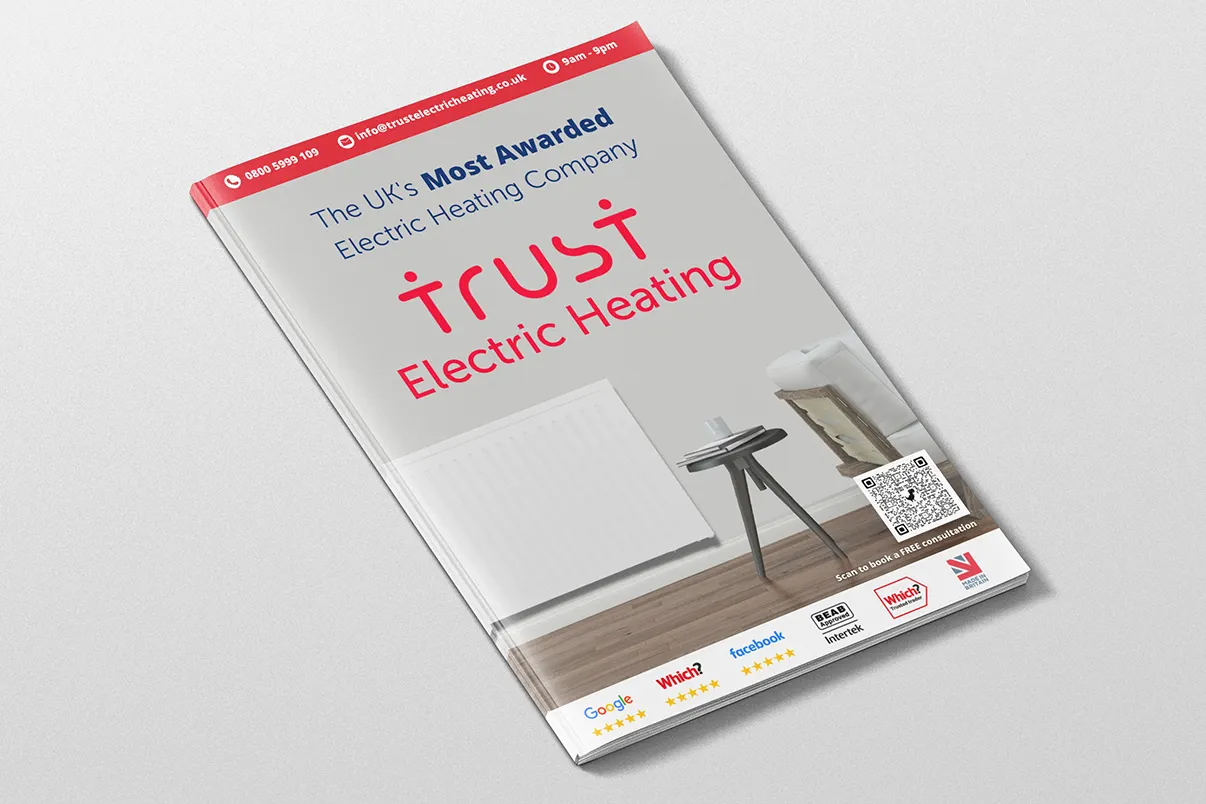
If you are considering electric heating/electric radiators, then this guide tells you everything you need to know. Discover this modern, sustainable and economical method of heating that gives you complete control and comfort. Download Free Guide now.

*Trust Electric Heating needs the contact information you provide to us to contact you about our products and services. You may unsubscribe from these communications at any time. For information on how to unsubscribe, as well as our privacy practices and commitment to protecting your privacy, check out our Privacy Policy.
Quick installation and a 100 day warmth guarantee. Whether you’re buying one or several radiators, if our radiators don’t heat your room to a minimum of 20 degrees we will undertake to upgrade or replace the radiators free of charge.
Book your free consultation


 Discounts for NHS workers, care homes and veterans.










 23rd World Cup Deal - 23% OFF