For many households, recent rising fuel costs have made people look more closely at the alternatives to oil heating available in the UK. This is especially relevant for rural and off-grid homes, where heating oil has long been a common option. Government support announcements have highlighted just how exposed some households can be when oil prices rise sharply, particularly when topping up a tank means paying a large lump sum upfront.
If you are reviewing your current system, it helps to take a calm, practical look at the options. The right answer will depend on your property, insulation levels, budget and how much control you want over your heating.
Oil heating can work well for some properties, but it also comes with a few challenges. Prices can change quickly, deliveries need to be planned, and households often need to pay for fuel in larger amounts rather than spreading costs evenly. For off-grid homes, that can make budgeting harder.
That is why more people are researching alternatives to oil heating, especially after periods of price volatility. In many cases, homeowners are not just looking for a replacement fuel. They are looking for a system that is easier to manage, more flexible and better suited to how they actually live.
There is no one-size-fits-all answer, but some of the main alternatives include:
Modern electric heating can be an option for some homes, particularly where a property is well insulated and homeowners want simple installation, room-by-room control and low ongoing maintenance. Systems vary, so it is important to look at the specific product rather than treating all electric heating as the same.
Heat pumps are another option, but they are not right for every property. Suitability can depend on insulation, available space, the type of existing system and the scale of retrofit work required.
Some off-grid homes consider LPG as an alternative. Like oil, this still relies on delivered fuel, so it may not remove the same budgeting concerns around fuel supply and price changes.
Biomass may be suitable in some settings, but it can require more space, fuel storage and ongoing management than other heating systems.
When comparing the alternatives to oil heating, it is worth looking beyond headline running costs alone. A better comparison includes:
installation requirements
maintenance needs
how much control you have over different rooms
whether fuel deliveries are required
how suitable the system is for the property
upfront cost versus long-term practicality
For example, some homeowners may prioritise low maintenance and easy control. Others may be more focused on whole-home retrofit plans or future-proofing an older rural property.
For some households, electric heating can be one of the more practical alternatives to oil heating, especially where homeowners want to avoid fuel storage, reduce maintenance concerns and gain more direct control over heating use.
This can be particularly relevant in places where off-grid properties are common and where households want a straightforward heating setup that fits around daily life. In areas such as Cheshire, Warrington, Manchester, Liverpool and the wider North West, many homeowners are weighing up not just cost, but convenience, reliability and how disruptive a switch may be.
The best alternatives to oil heating will always depend on the home. There is no single system that suits every property, and any decision should be based on honest advice and a clear understanding of the building itself.
If you are considering a change, the most useful first step is to compare your options properly and look at what is realistic for your home, not just what sounds good on paper.
Call 0800 5999 109 or email [email protected] for more information or a free quote.
Tags: General Guides, News.

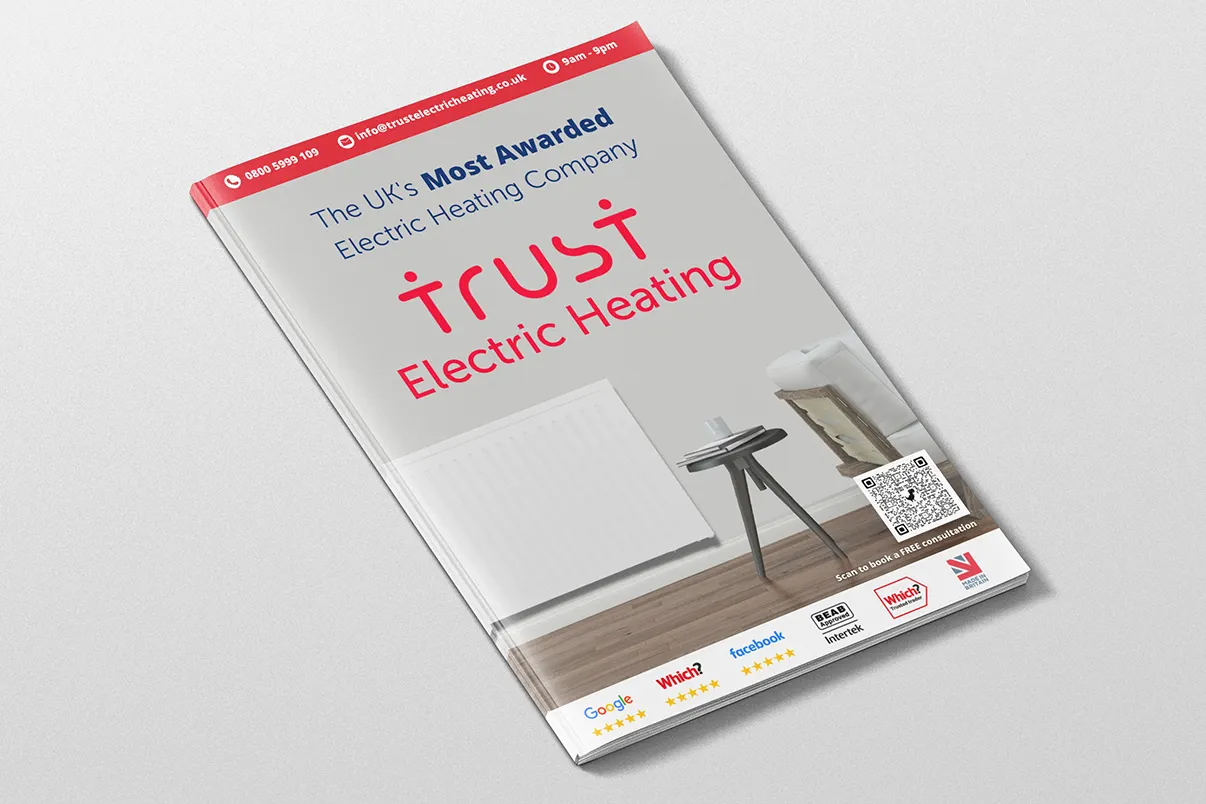
If you are considering electric heating/electric radiators, then this guide tells you everything you need to know. Discover this modern, sustainable and economical method of heating that gives you complete control and comfort. Download Free Guide now.

*Trust Electric Heating needs the contact information you provide to us to contact you about our products and services. You may unsubscribe from these communications at any time. For information on how to unsubscribe, as well as our privacy practices and commitment to protecting your privacy, check out our Privacy Policy.
Quick installation and a 100 day warmth guarantee. Whether you’re buying one or several radiators, if our radiators don’t heat your room to a minimum of 20 degrees we will undertake to upgrade or replace the radiators free of charge.
Book your free consultation


 Discounts for NHS workers, care homes and veterans.









 23rd World Cup Deal - Up to 23% OFF -