
March brought a few genuine changes that could affect how people manage energy at home.
And unlike some broader policy headlines, these are the ones that actually matter day to day. From lower bills under the new price cap to changes around the Warm Home Discount, March 2026 home energy changes are worth paying attention to if you want a clearer picture of what may affect your household costs this spring and beyond.
One of the biggest updates for households is Ofgem’s new energy price cap for 1 April to 30 June 2026. For many homes on standard variable tariffs, that means bills should come down compared with the previous quarter.
That will be welcome news after a long stretch of pressure on household budgets. It does not mean energy is suddenly cheap, and it will not affect every home in exactly the same way, but it does mean many households should see some relief heading into spring.
For homeowners, the key point is simple: even when prices ease, efficiency still matters. Better controls, better insulation and choosing heating that works well for your property can still make a noticeable difference over time.
Another important March development is the extension of the Warm Home Discount in England and Wales through to 2031.
That means eligible households can continue to receive a £150 rebate on their electricity bill, with the scheme now set to run for several more years. The Government said the scheme now reaches nearly 6 million households, and most eligible people are expected to be matched automatically.
For customers, that matters because it gives a bit more certainty. If you qualify, support is not disappearing at the end of this scheme year. It also means more households may receive help without having to go through extra paperwork.
March also brought more attention to one of the biggest frustrations for bill payers: standing charges.
During parliamentary discussion around the Warm Home Discount, ministers confirmed that Warm Home Discount costs are being moved from the standing charge to the unit rate from 1 April 2026. That does not remove standing charges altogether, but it does show that pressure around fixed energy costs is being taken seriously.
For households, this matters because standing charges are often the part of the bill people feel they have the least control over. Even if you cut usage, that fixed daily cost still lands. So any shift in how charges are applied is worth watching.
Another headline from March was the Government’s move to make plug-in solar available within months.
This could make solar more accessible for some households, especially where a full rooftop solar installation is not practical or affordable. It is not a complete answer to the UK’s energy challenges, but it does point to a wider shift towards more flexible home energy options.
For homeowners, the significance is less about instant savings today and more about where the market is heading. People are being given more ways to manage energy use at home, rather than relying only on traditional systems.
March also kept attention on the Future Homes Standard and the direction of travel for new homes.
While this affects new-build properties more directly than existing homes, it still matters to the wider market. The message is clear: homes are expected to become more energy efficient, less reliant on fossil fuels and better prepared for low-carbon heating in future.
That will influence how people think about heating upgrades, renovations and long-term running costs, even in older homes.
Taken together, these March 2026 home energy changes tell a fairly clear story.
Bills may ease in the short term
Support for eligible households is continuing
Standing charges remain under scrutiny
New technology options are opening up
Energy efficiency is still the long-term priority
In other words, there is some positive movement, but households still need clear, practical advice rather than mixed messages.
If you are reviewing your heating setup, this is a good time to think beyond the next bill. The bigger question is whether your home is set up to stay comfortable, efficient and manageable over the long run.
At Trust Electric Heating, we believe homeowners deserve honest advice.
If you want to understand your options and get a free quote, our team is here to help.
For more information call us on 0800 5999 109 or email [email protected]
Tags: Industry insights.

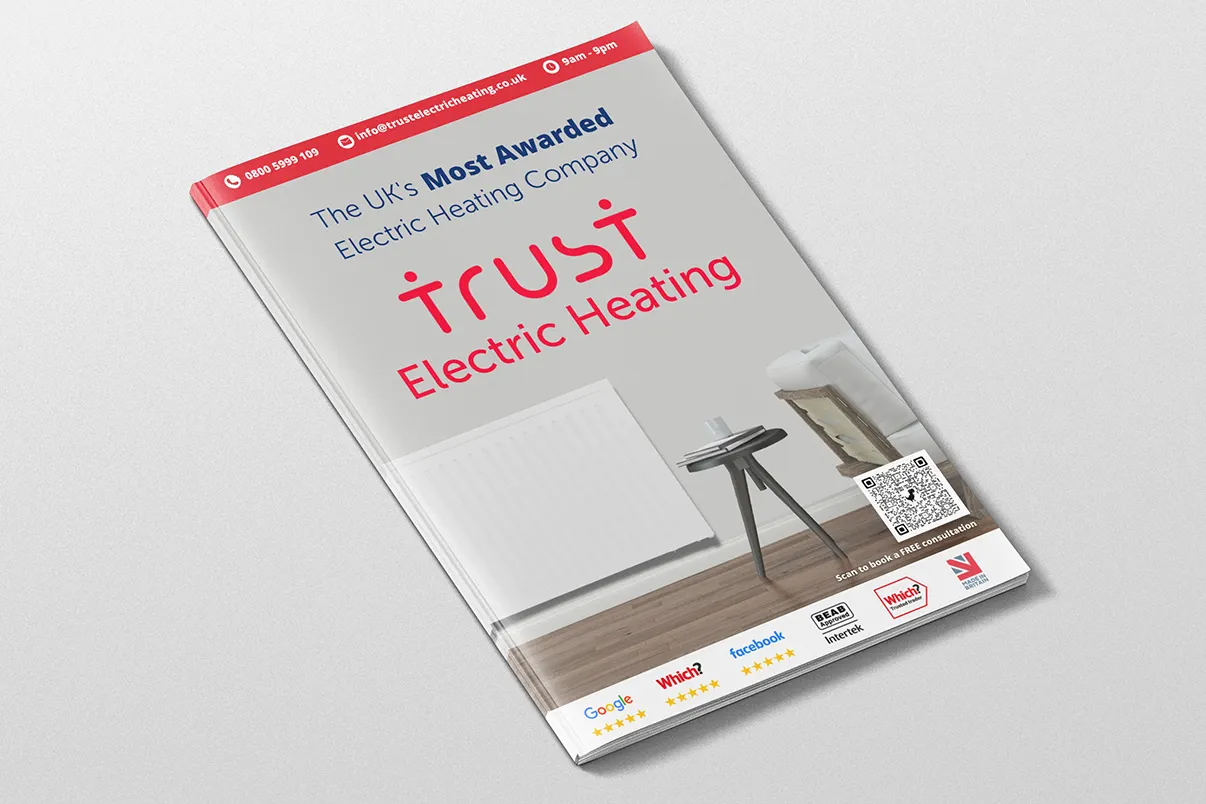
If you are considering electric heating/electric radiators, then this guide tells you everything you need to know. Discover this modern, sustainable and economical method of heating that gives you complete control and comfort. Download Free Guide now.

*Trust Electric Heating needs the contact information you provide to us to contact you about our products and services. You may unsubscribe from these communications at any time. For information on how to unsubscribe, as well as our privacy practices and commitment to protecting your privacy, check out our Privacy Policy.
Quick installation and a 100 day warmth guarantee. Whether you’re buying one or several radiators, if our radiators don’t heat your room to a minimum of 20 degrees we will undertake to upgrade or replace the radiators free of charge.
Book your free consultation


 Discounts for NHS workers, care homes and veterans.








 23rd World Cup Deal - 23% OFF